
In today’s competitive business landscape, companies are discovering that exceptional workplace benefits extend far beyond traditional compensation packages. World-class catering has emerged as a powerful tool for enhancing employee satisfaction, boosting productivity, and creating a positive company culture. This comprehensive guide explores everything you need to know about implementing professional food services that deliver results for your business and teams.
Modern workplaces are transforming how they approach employee wellbeing, with quality food becoming a central component of successful business operations. From daily office catering services to special event buffets, the right catering strategy ensures all your needs are covered, regardless of company size or requirements. Expert chefs carefully created each dish to the highest standards, catering to a wide range of tastes and dietary preferences. Importantly, our number one priority is employee wellbeing, and quality food and presentation set us apart. The difference that freshly prepared, high-quality food makes in the workplace is clear – improving morale, engagement, and productivity. Our helpful staff are always available to assist with menu selection and event planning. For more details about our available services and menu options, please contact us. Whether you’re in London or other major business centers across the UK, we also partner with top restaurants to provide flexible alternatives to in-house catering.
Corporate catering refers to professional food services specifically designed for business environments and corporate events. Unlike traditional restaurant dining or personal catering, these services are tailored to meet the unique needs of offices, businesses, and professional gatherings, often through partnerships with leading restaurants and caterers to ensure a diverse and high-quality selection. The scope ranges from daily meal delivery to comprehensive event catering that supports everything from board meetings to company-wide celebrations.

The benefits of implementing corporate catering extend far beyond simply providing food. Research consistently demonstrates that 78% of employees value workplace food benefits, with 65% reporting higher job satisfaction when quality meals are provided. These statistics reflect a fundamental shift in how workers evaluate potential employers and current positions.
Employee satisfaction directly translates to improved productivity. When teams have access to nutritious, delicious meals without leaving the office, they maintain higher energy levels throughout the day. This convenience eliminates the common afternoon productivity dip that occurs when employees struggle with poor lunch choices or skip meals entirely due to busy schedules.
From a cost-effectiveness perspective, corporate catering often proves more economical than individual meal allowances or frequent restaurant visits. Companies can negotiate volume discounts and predictable monthly expenses while ensuring all employees receive consistent, quality food regardless of their personal budget constraints.
The role of catering in employee retention cannot be overstated. In competitive job markets, particularly in London and other major business centers, companies offering comprehensive food benefits gain a significant advantage in both recruiting top talent and retaining valuable team members. Forward-thinking organizations recognize that investing in employee wellbeing through great food creates a positive feedback loop that benefits everyone involved.
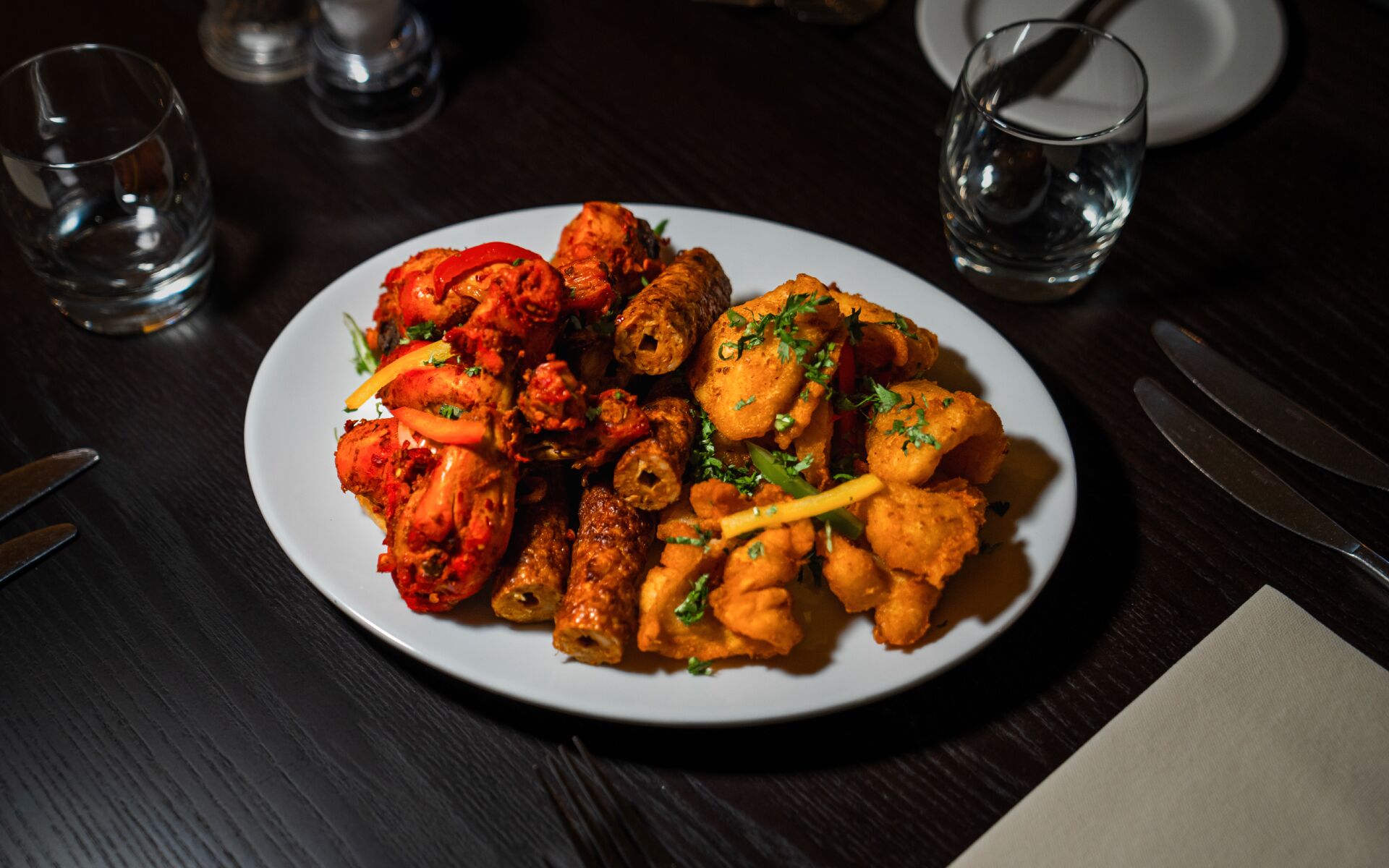
The range of corporate catering options available today accommodates virtually every business model and workplace environment. Understanding these different service types helps companies select the most appropriate solutions for their specific needs and budget.
Daily office meal delivery services represent the most comprehensive catering approach. These services provide hot and cold meal options delivered directly to your office door, ensuring employees have access to fresh, quality ingredients prepared by professional kitchens. Many providers offer rotating menus that cater to diverse dietary needs while maintaining consistently high standards, so all your catering needs are covered, regardless of company size or dietary requirements.
Buffet catering excels for meetings, conferences, and corporate events where groups gather for extended periods. This format allows guests to customize their portions and selections while facilitating networking and collaboration. Professional buffet services handle everything from setup to cleanup, allowing your team to focus on business priorities rather than catering logistics. Buffet menus are designed to cater to a wide range of tastes, ensuring everyone is satisfied.
Sandwich platters and light lunch options serve working meetings perfectly, providing convenient, tasty meals that don’t disrupt productivity. These services typically include fresh salads, artisanal sandwiches, and healthy snacks that fuel concentration without causing post-meal energy crashes.
Mobile food vans and pop-up services offer exceptional flexibility for business parks or companies with multiple locations. These services bring restaurant-quality food directly to workplaces, often featuring seasonal menus and diverse cuisine options that keep employees engaged and excited about meal times. Many mobile food vans and pop-up services partner with popular restaurants to bring a variety of cuisine options to your workplace.
For organizations operating around the clock, 24/7 self-service hubs and micro-markets provide constant access to quality food. These solutions stock fresh meals, healthy snacks, and beverages that satisfy workers across all shifts while requiring minimal management oversight.
Executive dining and boardroom catering cater to high-level meetings where presentation and quality are paramount. These services deliver exceptional cuisine with professional presentation suitable for impressing clients and supporting important business occasions.
Outdoor corporate picnics and team-building event catering extend workplace food services beyond traditional office environments. These specialized services handle logistics for outdoor venues while maintaining food safety standards and creating memorable experiences that strengthen team bonds.
Our office catering services are designed to deliver the highest quality food directly to your workplace, ensuring that every meal is both delicious and memorable. We know that great food is essential for fueling productivity and fostering a positive atmosphere in the office. That’s why our team of expert caterers works closely with all our customers to understand their unique needs, dietary requirements, and budget, creating tailored solutions that fit seamlessly into your business routine.
Whether you’re planning a working lunch, a regular team meal, or a special office event, our catering services offer a wide range of options—from buffet-style spreads and finger foods to elegant sit-down dinners. Every dish is crafted with quality ingredients, prepared fresh, and presented with exceptional attention to detail. Our commitment to quality means you can trust us to provide meals that not only taste fantastic but also support the wellbeing of your team. With flexible menus and a focus on presentation, we ensure your office catering experience is as impressive as it is convenient.
When it comes to corporate events, the right catering services can elevate any occasion and leave a lasting impression on your guests. Our team of professional caterers specializes in providing exceptional food and service for meetings, conferences, and special occasions of all sizes. We understand that every event is unique, so we work with you to design customized menus that reflect your company’s style, meet your guests’ dietary needs, and suit your budget.
From energizing breakfasts for early-morning meetings to sophisticated evening receptions, our range of catering services covers every corporate event scenario.


Successful corporate catering implementation begins with thorough assessment of your organization’s specific requirements. This planning phase determines whether your investment delivers maximum value and positive feedback from employees.
Start by evaluating workforce size, dietary requirements, and budget constraints. Survey employees to understand their preferences, restrictions, and current satisfaction levels with existing food options. Be sure to pay attention to the details of employee preferences and requirements, as these can significantly impact the success of your catering strategy. This data provides the foundation for selecting appropriate catering services and establishing realistic expectations for participation rates.
Determining service frequency requires balancing employee desires with business realities. Some companies benefit from daily catering that becomes an integral part of company culture, while others find weekly or event-based services more suitable. Consider your teams’ work patterns, office attendance, and overall business model when making this decision. Importantly, your catering strategy should align with company culture and employee needs to ensure maximum engagement and satisfaction.
The choice between on-site kitchen facilities versus external catering depends on several factors including available space, regulatory requirements, and long-term vision. On-site kitchens offer maximum control and customization but require significant upfront investment and ongoing management. External catering provides professional expertise and eliminates operational complexity while offering less control over daily operations. When working with catering providers, you’ll find it helpful to rely on their guidance for menu selection and logistics, as their experience can streamline the planning process.
Creating efficient ordering systems and advance booking procedures ensures smooth service delivery while minimizing administrative burden. Digital platforms that integrate with existing company systems streamline the process for both employees and administrators. Clear booking deadlines and cancellation policies prevent waste while maintaining service reliability.
Establishing comprehensive dietary accommodation protocols demonstrates commitment to inclusivity and employee wellbeing. Develop procedures for handling allergies, religious requirements, and personal preferences that ensure all team members feel valued and included. Regular communication about available options helps employees make informed choices that suit their individual needs.
Setting up feedback mechanisms and quality control measures enables continuous improvement and maintains high service standards. Regular surveys, suggestion systems, and direct communication channels with catering providers ensure issues are addressed promptly and service evolves to meet changing needs.
Modern corporate catering must accommodate increasingly diverse dietary needs while maintaining broad appeal and nutritional value. The most successful programs offer variety to suit all tastes without compromising on quality or creating logistical complications.
Balanced nutrition menus featuring protein, vegetables, and whole grains form the foundation of effective workplace dining. Professional caterers understand the importance of providing meals that sustain energy levels throughout the workday while supporting overall health goals. These meals are created with care and expertise to ensure both quality and originality. These menus typically rotate regularly to prevent monotony while ensuring consistent nutritional standards.
Accommodating vegetarian, vegan, gluten-free, and halal or kosher dietary requirements has become essential rather than optional. Quality catering services maintain separate preparation areas and clear labeling systems to prevent cross-contamination while ensuring these options are equally appealing and satisfying as traditional choices.
International cuisine rotation adds excitement and cultural appreciation to workplace dining. Featuring Italian, Asian, Mediterranean, and other authentic cuisines celebrates workforce diversity while expanding employees’ culinary horizons. This approach keeps meal programs fresh and engaging over long periods.
Replacing traditional office snacks and beverages with healthier alternatives supports employee wellbeing while reducing healthcare costs. Fresh fruit, nuts, yogurt, and other nutritious options provide sustained energy without the crashes associated with sugary snacks. Quality coffee and herbal teas enhance the overall dining experience while supporting productivity. The difference that freshly prepared, high-quality food makes is evident in improved employee satisfaction and wellbeing.
Seasonal menu adaptations and local ingredient sourcing demonstrate environmental responsibility while ensuring peak flavor and freshness. This approach supports local businesses and reduces transportation costs while providing employees with the highest quality food available. Seasonal variations also create anticipation and excitement around menu changes.
Portion control and calorie-conscious options serve health-focused workplaces and individuals managing specific dietary goals. Clear nutritional information empowers employees to make informed choices while ensuring everyone finds suitable options regardless of their health objectives.


Selecting the appropriate catering partner significantly impacts program success and employee satisfaction. A systematic evaluation process ensures you choose a best-in-class catering provider capable of delivering consistent, exceptional service that meets your organization’s specific requirements.
Begin by evaluating potential providers’ experience in the corporate sector and reviewing their client portfolio. Established caterers with extensive business experience understand the unique challenges and expectations of workplace dining. Request references from similar companies and investigate their track record of handling organizations comparable to yours in size and complexity. For further details, contact providers directly to learn more about their offerings.
Food safety certifications, insurance coverage, and health department ratings provide essential credibility indicators. Verify that potential providers maintain current certifications and comprehensive insurance that protects your organization from liability. Health department ratings offer objective assessments of their operational standards and commitment to safety.
Assess delivery reliability and service area coverage to ensure consistent service that accommodates your business needs. Leading providers have your needs covered across multiple locations, ensuring seamless support wherever your offices are based. Providers must demonstrate ability to meet tight schedules and handle last-minute changes without compromising service quality. Geographic coverage becomes particularly important for companies with multiple locations or occasional off-site events, and top providers offer coverage across the UK.
Compare pricing structures including per-person costs, minimum order requirements, and additional fees. Transparent pricing that clearly outlines all potential charges prevents surprises and enables accurate budget planning. Volume discounts and flexible pricing models can significantly impact overall program costs.
Reading customer reviews and requesting references from businesses similar to yours provides valuable insights into real-world performance. Pay particular attention to comments about reliability, food quality, customer service, and problem resolution. Contact references directly to discuss their experiences and satisfaction levels, and reach out to providers for additional details as needed.
Testing food quality through tasting sessions before making commitments ensures the provider’s offerings meet your standards and employee expectations. Most reputable caterers offer tasting opportunities that allow decision-makers to evaluate presentation, flavor, and variety firsthand. Remember, food quality should be your number one priority when making a final decision.
Verify flexibility for last-minute changes and special requests, as business needs often shift unexpectedly. The best catering partners accommodate schedule changes, dietary emergencies, and special occasions without creating additional stress or compromising service quality.
Digital innovation has revolutionized corporate catering, making services more efficient, accessible, and user-friendly. Best-in-class technology solutions address common pain points while enhancing the overall experience for both administrators and employees. Importantly, these advanced systems improve efficiency and user experience, setting a new standard in the industry.
Online ordering platforms with mobile apps provide convenient access that fits naturally into employees’ daily routines. These systems typically offer menu browsing, nutritional information, advance ordering, and payment processing through intuitive interfaces. Mobile accessibility ensures employees can manage their food orders from anywhere, supporting flexible work arrangements.
Smart vending machines with cashless payment systems offer 24/7 access to fresh meals and healthy snacks. These solutions stock refrigerated items that maintain quality while providing convenience for employees working unusual hours or needing quick options between meetings. Integration with corporate payment systems simplifies administration and expense tracking.
Automated inventory management and restocking alerts ensure consistent availability while minimizing waste. These systems track consumption patterns and automatically schedule deliveries to maintain optimal stock levels. Predictive analytics help optimize menu offerings based on actual demand patterns rather than assumptions.
Digital menu displays and nutritional information tracking support health-conscious employees while streamlining communication about available options. Interactive displays can showcase daily specials, highlight healthy choices, and provide important details about ingredients and nutrition, accommodating allergies and dietary restrictions.
Integration with HR systems for employee meal benefits simplifies administration while providing seamless access to subsidized meals. These integrations can automatically handle payroll deductions, track benefit utilization, and generate reports that demonstrate program value and participation rates.
Contactless delivery and pickup options, developed during the COVID-19 pandemic, continue providing value through improved hygiene and reduced contact points. These systems maintain safety while streamlining operations and reducing wait times during busy lunch periods.
Understanding the financial aspects of corporate catering enables informed decision-making and successful program implementation. Proper budgeting accounts for all costs while maximizing value for both the company and employees. For most organizations, the number one consideration is balancing cost with employee satisfaction and program effectiveness.
Typical pricing ranges from £8-25 per person per meal, depending on service level, menu complexity, and delivery requirements. Basic sandwich and salad services fall on the lower end, while full-service hot meals with professional presentation command premium pricing. Understanding these ranges helps establish realistic budget expectations.
Volume discounts for larger organizations and regular orders can significantly reduce per-meal costs. Many catering companies offer tiered pricing that rewards consistent business and larger order volumes. Negotiating annual contracts often yields better rates than ad-hoc ordering while providing predictable expenses for budgeting purposes.
Comparing subsidized versus fully-paid employee meal programs requires analyzing both direct costs and indirect benefits. Fully subsidized programs maximize participation and employee satisfaction but require larger upfront investment. Partial subsidies reduce company costs while still providing significant employee value and maintaining high participation rates.
Hidden costs including delivery fees, service charges, and gratuities can substantially impact total program expenses. Request comprehensive pricing that includes all potential fees to enable accurate budget planning. Some providers offer flat-rate pricing that eliminates unexpected charges and simplifies expense management.
Tax implications and employee benefit considerations affect both company expenses and employee value calculations. Consult with accounting professionals to understand how meal benefits impact payroll taxes and employee compensation reporting. Some arrangements may qualify as tax-deductible business expenses while providing tax-free benefits to employees.
Importantly, ROI calculations including productivity gains and reduced turnover costs help justify program investments. Document improvements in employee satisfaction, retention rates, and productivity metrics to demonstrate program value. Consider savings from reduced recruitment costs and decreased absenteeism when evaluating overall program benefits.
The corporate catering industry continues evolving to meet changing employee expectations and societal priorities. Understanding current trends helps companies select services that align with contemporary values while future-proofing their investment.
Sustainability focus with eco-friendly packaging and zero-waste initiatives has become a priority for environmentally conscious organizations. Leading catering providers offer compostable packaging, implement comprehensive recycling programs, and source ingredients from sustainable suppliers. These practices appeal to employees who prioritize environmental responsibility while supporting corporate sustainability goals.
Plant-based menu expansion responds to growing environmental consciousness and health awareness. Modern plant-based options go far beyond traditional vegetarian offerings, featuring innovative proteins and bold flavors that appeal to all dietary preferences. This trend supports both environmental goals and employee health while reducing overall catering costs. Many caterers also introduce special plant-based offerings for the new year, allowing companies to celebrate the holiday season with fresh, healthy menu options.
Hybrid workplace adaptations accommodate flexible office schedules and remote work arrangements. Catering services now offer delivery to home offices, meal kits for remote workers, and flexible ordering systems that adjust to fluctuating office attendance. These adaptations ensure catering programs remain relevant regardless of workplace evolution.
Health and wellness integration with nutritionist-designed menus addresses growing employee focus on personal health. Professional nutritionists help design menus that support specific health goals while maintaining broad appeal. Some programs include educational components that help employees make informed choices about their nutrition and wellbeing.
Cultural diversity celebration through authentic international cuisines creates inclusive environments while educating employees about different cultures. Authentic preparations prepared by skilled chefs from various backgrounds provide genuine cultural experiences that go beyond superficial ethnic themes. These programs often include educational materials about featured cuisines and cultures.
Comfort food revival balances indulgence with nutritional value, recognizing that workplace stress sometimes requires psychological comfort from familiar, satisfying foods. Modern comfort food incorporates healthier preparation methods and higher-quality ingredients while maintaining the emotional satisfaction that makes these dishes appealing during challenging times.
If you are interested in implementing any of these new trends in your workplace, contact us for more details.
Successful corporate catering implementation requires careful planning, clear communication, and systematic rollout procedures. Following proven best practices minimizes disruption while maximizing employee adoption and satisfaction.
Pilot program testing with select departments before company-wide rollout allows you to identify and resolve issues without affecting the entire organization. Choose departments that represent diverse dietary needs and work patterns to gather comprehensive feedback. Document lessons learned during pilot phases to inform full implementation strategies.
Employee survey deployment gauges preferences and satisfaction while demonstrating company commitment to employee input. Survey results provide valuable data for menu selection, service timing, and program structure decisions. Regular follow-up surveys track satisfaction changes and identify opportunities for improvement.
Regular menu rotation schedules maintain interest and variety while preventing employee boredom with food options. Establish rotation schedules that balance familiar favorites with new options, seasonal specialties, and special occasion menus. Communicate upcoming changes to build anticipation and gather feedback on new offerings.
Communication strategies for promoting catering services and updates ensure employees understand available options and program benefits. Use multiple communication channels including email, intranet postings, digital displays, and team meetings to reach all employees effectively. Highlight special features, dietary accommodations, and upcoming menu changes to maintain engagement. It is important to share all relevant details with employees so they are fully informed about their choices and any program updates.
When working with providers during rollout, having helpful support staff can ensure a smooth implementation by quickly addressing questions and assisting with any challenges that arise.
Emergency backup plans for catering service disruptions protect against service interruptions that could negatively impact employee satisfaction. Identify alternative providers, establish emergency ordering procedures, and maintain contingency budgets to handle unexpected situations. Clear communication during disruptions maintains employee confidence in program management.
Performance metrics tracking including participation rates and feedback scores provides objective measures of program success. Establish baseline measurements and regular reporting schedules that track key performance indicators. Use this data to make informed decisions about program modifications and demonstrate value to company leadership.
Corporate catering represents a powerful investment in employee satisfaction, productivity, and company culture. By understanding the various service options, planning thoroughly, and implementing systematically, organizations can create dining programs that deliver exceptional value for all stakeholders. The key to success lies in selecting the right providers, accommodating diverse needs, and maintaining focus on quality and convenience that truly serves your teams.
Success in corporate catering comes from treating it as an integral part of your employee experience strategy rather than simply a food service. Companies that prioritize quality ingredients, diverse menu options, and professional service create workplace environments where employees feel valued and supported. This investment in wellbeing pays dividends through improved retention, enhanced productivity, and stronger company culture that attracts top talent in competitive markets.
Whether you’re just beginning to explore corporate catering options or looking to enhance existing services, remember that the best programs evolve continuously based on employee feedback and changing business needs. Start with a clear understanding of your goals, maintain open communication with your teams, and work with catering partners who share your commitment to excellence. The result will be a dining program that not only nourishes your employees but strengthens your organization’s foundation for long-term success.
We’ll provide a free quote for your corporate catering needs, just click the link here to get your free quote today.

Automated page speed optimizations for fast site performance