
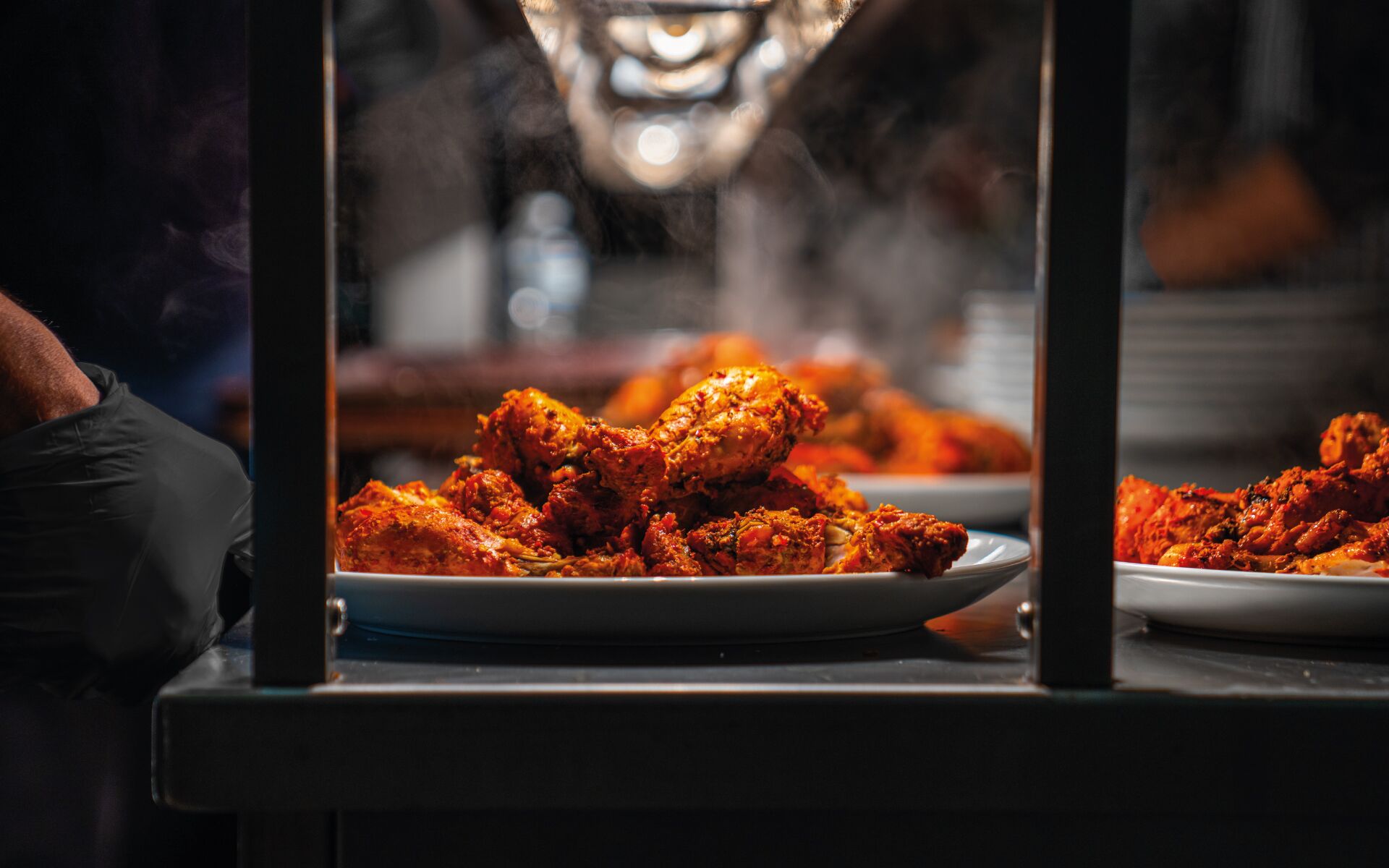
The success of your corporate event often hinges on one crucial element that attendees remember long after the presentations end: the quality food you provide. Whether you’re planning a client meeting, team celebration, or large-scale conference, your corporate event menu reflects your company’s professionalism and attention to detail, and should be adaptable to any occasion to ensure a tailored experience.
Corporate catering has evolved far beyond basic sandwiches and coffee. Today’s business events demand thoughtful menu planning that accommodates diverse dietary needs, delivers exceptional taste that ensures every dish is tasty, and creates memorable experiences with flair that strengthen professional relationships. This comprehensive guide will help you navigate every aspect of corporate event menu planning, from intimate boardroom meetings to large-scale conferences.
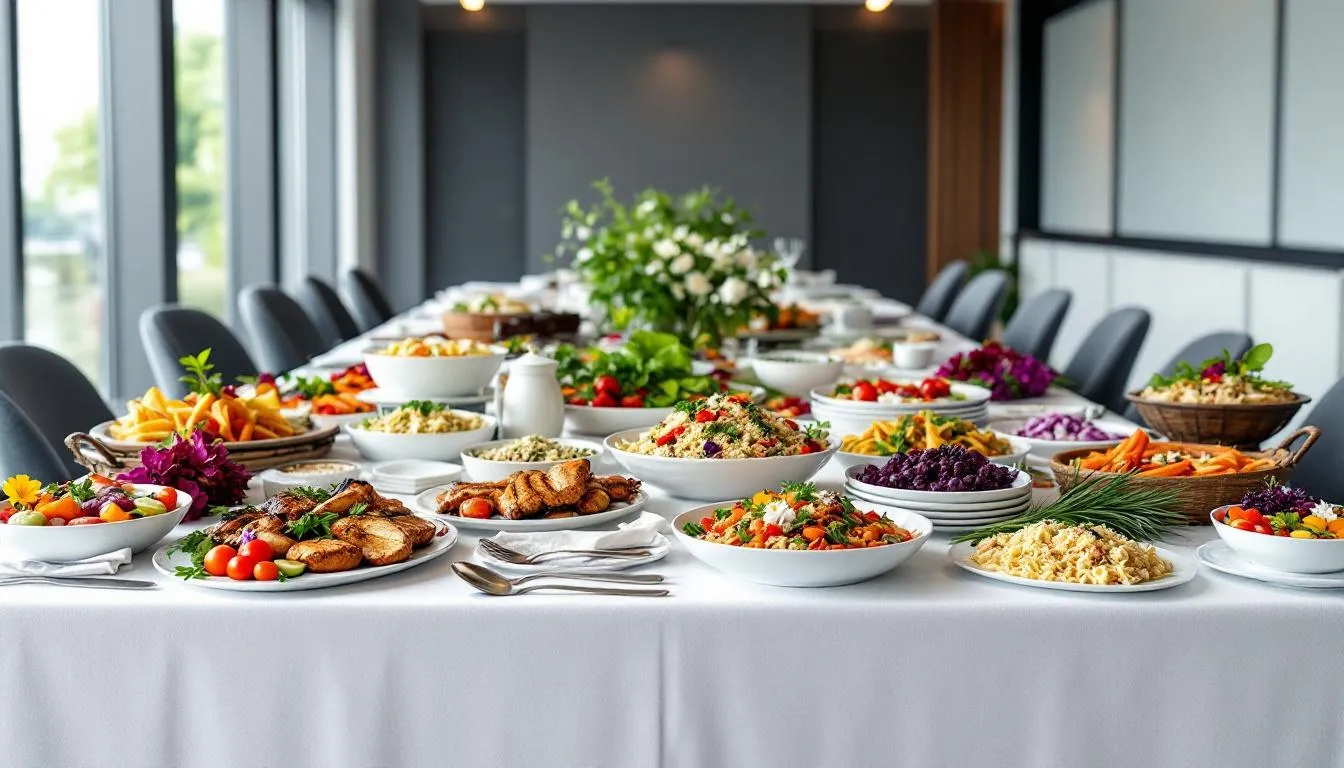
Essential Corporate Event Menu Types
Selecting the right menu style sets the foundation for your event’s success. Different occasions call for specific approaches to food service, and understanding these options ensures your choice aligns perfectly with your event’s objectives. Menu styles can be tailored to suit various occasions and guest preferences, providing flexibility for different diets, tastes, and event themes.
Breakfast Menus for Morning Meetings
Morning corporate events require fresh, energizing options that fuel productivity without causing afternoon crashes. Breakfast orders typically feature a balance of protein, complex carbohydrates, and fresh fruit to maintain energy levels throughout day-long meetings.
Professional breakfast menus include:
- Fresh pastries and artisan breads delivered warm each morning
- Seasonal fruit platters showcasing the best local produce
- Premium coffee service with specialty beverages and tea selections
- Hot breakfast items like scrambled eggs, bacon, and healthy grain options
- Continental spreads with yogurt, granola, and fresh juice selections
The key to successful breakfast catering lies in timing. Most breakfast orders require placement before the cut off time to ensure fresh delivery by your specified hour. Early morning deliveries, typically starting at 7am, allow teams to arrive to perfectly prepared refreshments.
Breakfast delivery is available on all business days, Monday through Friday, with specific days and lead times for placing or cancelling orders clearly outlined. For added convenience, next day delivery is available for clients who order before the daily cut off time.
Lunch Buffets for Team Gatherings
Lunch represents the most versatile corporate catering option, accommodating everything from working meetings to celebratory team gatherings. Buffets offer variety while allowing guests to customize portions according to their preferences and dietary requirements.
Successful lunch buffets feature:
- Sandwich selections with premium fillings and fresh bread options
- Wraps as a popular and versatile choice, appealing to a wide range of tastes
- Gourmet salads showcasing seasonal ingredients and interesting flavours
- Hot entrees that maintain temperature and quality during service
- Vegetarian and vegan options clearly labeled for easy identification
- Side dishes and accompaniments that complement main selections
Corporate lunch planning requires consideration of meeting schedules. Most caterers recommend ordering with adequate advance notice to secure your preferred delivery window and ensure kitchen capacity for your team size.
Cocktail Reception Menus
Cocktail receptions create networking opportunities while showcasing your company’s sophistication. These events focus on elegant finger foods and canapés that guests can enjoy while mingling and conducting business conversations.
Reception menus typically include:
- Bite-sized canapés featuring premium ingredients and artistic presentation
- Hot and cold finger foods that require no utensils
- Premium beverage packages with wine, spirits, and specialty cocktails
- Drink options are clearly labeled for allergens to accommodate dietary restrictions
- Interactive food stations where guests can customize selections
- Seasonal appetizers that reflect current ingredient availability
The style of cocktail service impacts guest interaction and event flow. Professional caterers ensure proper spacing of food stations to encourage mingling while maintaining easy access to refreshments throughout your venue.
Full Dinner Service Options
Corporate dinners demand the highest level of culinary excellence and service quality. Whether you’re hosting clients, celebrating achievements, or conducting important business discussions, dinner menus require careful attention to presentation and timing.
Dinner service options include:
- Three-course meals with appetizer, main course, and dessert selections
- Themed cuisine experiences reflecting international flavours
- Wine pairings selected to complement each course
- Premium ingredients prepared with restaurant-quality techniques
- Professional service staff to ensure seamless meal presentation
Corporate dinner events often extend beyond simple sustenance to become important relationship-building opportunities. The quality and presentation of your dinner menu communicates respect for your guests and reinforces your company’s commitment to excellence. There is no compromise on ingredient quality or culinary standards for dinner service.
Break-Time Refreshment Packages
Day-long events require strategic refreshment breaks to maintain energy and focus. Break packages provide convenient options that teams can enjoy quickly before returning to important discussions or presentations.
Effective break packages feature:
- Fresh cookies and pastries for afternoon energy boosts
- Seasonal fruit selections and healthy snack options
- Specialty beverages including coffee, tea, and refreshing alternatives
- Light appetizers that satisfy without overwhelming
- Grab-and-go options for busy schedules and tight timelines

Menu Customization for Different Event Sizes
Corporate events span a wide range of sizes, from intimate executive meetings to large-scale conferences. Understanding how to scale your corporate event menu ensures appropriate service levels while maintaining quality standards across all group sizes. Menu customization also allows you to accommodate a wide range of tastes, ensuring every guest finds something to enjoy.
Small Meeting Packages (5-15 People)
Intimate business meetings benefit from personalized service and individual attention to detail. Small group catering allows for premium ingredients and customized options that might not be feasible for larger gatherings.
Small meeting solutions include:
- Boxed lunch options with individual portion controls and variety
- Premium ingredient selections that elevate the dining experience
- Flexible menu modifications to accommodate specific preferences
- Personal service attention with dedicated delivery and setup
- Custom presentation options that reinforce your professional image
- Ability for small groups to specify how they prefer their meals prepared or delivered
The advantage of small group catering lies in flexibility. Caterers can often accommodate last-minute changes and special requests that larger events cannot support. However, minimum order requirements may apply to ensure economic viability for both your business and the catering provider.
Medium Corporate Events (16-50 Attendees)
Mid-sized corporate events strike a balance between personalization and efficiency. These gatherings benefit from buffet-style service that offers variety while maintaining cost-effectiveness and service speed.
Medium event features include:
- Buffet-style service with multiple dish options and self-service convenience
- Shared platters that encourage interaction while controlling portions
- Multiple dietary options clearly labeled for easy guest navigation
- Professional setup and breakdown services included in your package
- Flexible delivery timing to accommodate your event schedule
This size range offers optimal value for corporate catering. Groups large enough to access volume pricing while maintaining the personal touch that smaller meetings enjoy. Most caterers consider this range ideal for building long-term business relationships.
Large Conference Catering (50+ Guests)
Large corporate events require sophisticated logistics and extensive menu planning. These gatherings demand professional expertise to ensure smooth service and guest satisfaction across diverse dietary preferences and timing requirements.
Large event solutions feature:
- Extensive buffet stations with multiple food zones to manage flow
- Professional serving staff to maintain food temperature and presentation
- Multiple delivery windows to accommodate complex venue logistics
- Comprehensive dietary accommodation across all menu categories
- Dedicated account management for planning and coordination support
Large conference catering often involves multiple meal services throughout extended events. Successful planning requires coordination between caterers, venue management, and event organizers to ensure seamless integration with your program schedule. For a large order, it is important to place your request in advance to ensure ingredient availability and proper fulfillment.
Executive Boardroom Dining
Executive dining represents the pinnacle of corporate catering, featuring premium ingredients and white-glove service that reflects your organization’s prestige and attention to detail.
Executive dining includes:
- Premium ingredients sourced from top suppliers and local farms
- Partnerships with top restaurants to source exclusive ingredients or develop unique menu items
- Restaurant-quality preparation with professional chef oversight
- White-glove service presentation with dedicated serving staff
- Customized menu development based on executive preferences
- Discrete service that supports important business discussions
Boardroom dining often involves ongoing relationships with preferred caterers who understand executive expectations and company culture. These partnerships ensure consistency and reliability for regular meetings and special occasions.
All-Day Event Packages
Extended corporate events require comprehensive menu planning that sustains energy and engagement throughout long programs. All-day packages combine multiple meal services with strategic timing and variety.
All-day packages typically include:
- Breakfast service to start your event with energy and focus
- Mid-morning refreshment breaks with coffee and light snacks
- Lunch service that accommodates your program timing requirements
- Afternoon refreshment packages to maintain energy through closing sessions
- Optional dinner service for events extending into evening hours
With these all-day packages, you can be confident that all your meal and refreshment needs are covered for the entire duration of your event.
The challenge of all-day catering lies in maintaining variety and quality across multiple services while managing costs. Professional caterers develop comprehensive packages that offer value while ensuring each meal service meets your quality standards.
Dietary Requirements and Inclusive Menu Planning
Modern corporate catering must accommodate increasingly diverse dietary needs while ensuring every guest feels valued and included. We are committed to meeting the specific needs of each guest by accommodating individual dietary requirements. Successful menu planning anticipates these requirements and provides clear, appetizing options for all attendees.
Comprehensive Vegan and Vegetarian Options
Plant-based dining has evolved far beyond simple salads to include sophisticated dishes that satisfy all palates. Professional caterers now offer extensive vegan and vegetarian selections that rival traditional options in taste and presentation.
Vegetarian and vegan offerings include:
- Creative protein alternatives featuring legumes, nuts, and innovative plant-based ingredients
- Flavorful preparations that showcase vegetables as the star rather than side dishes
- Clear labeling systems that help guests easily identify suitable options
- Variety across all meal categories from appetizers through desserts
- Seasonal menu adaptations that highlight the best plant-based ingredients
The key to successful vegetarian catering lies in avoiding the perception of “substitution” cooking. Instead, focus on dishes designed from the ground up to celebrate plant-based ingredients and deliver satisfying flavours that appeal to all guests.
Gluten-Free Alternatives
Gluten-free requirements have increased dramatically in corporate settings, necessitating comprehensive alternatives across all menu categories. Professional caterers now maintain separate preparation areas and specialized equipment to prevent cross-contamination.
Gluten-free menu considerations include:
- Appetizers, mains, and dessert categories with clear gluten-free identification
- Separate preparation protocols to ensure safety for celiac guests
- Alternative grain options that provide satisfying textures and flavours
- Communication systems that alert serving staff to dietary restrictions
- Emergency protocols for addressing accidental gluten exposure
Successful gluten-free catering requires partnerships with caterers experienced in safe preparation techniques. This expertise ensures both safety and quality for guests with celiac disease or gluten sensitivity.
Halal and Kosher Certified Options
Religious dietary requirements demand certified preparation and ingredients to ensure compliance with dietary laws. Corporate events in diverse business environments increasingly require these specialized options.
Religious dietary accommodations include:
- Certified halal and kosher ingredients with proper documentation
- Specialized preparation facilities that maintain religious compliance
- Clear identification systems for religiously compliant menu items
- Separate serving utensils and warming equipment when required
- Staff training on proper handling and service protocols
Working with certified caterers ensures proper compliance while demonstrating respect for diverse religious practices within your corporate community.
Low-Sodium and Heart-Healthy Choices
Health-conscious corporate catering addresses cardiovascular health through reduced sodium options and heart-healthy preparation techniques. These choices appeal to health-aware employees and executives managing dietary restrictions.
Heart-healthy menu features include:
- Reduced sodium preparations that maintain full flavour through herb and spice usage
- Lean protein options prepared with healthy cooking techniques
- Whole grain alternatives that provide sustained energy and fiber
- Fresh fruit and vegetable emphasis throughout all menu categories
- Portion size considerations that support healthy eating goals
Health-conscious menus often become preferred options for all guests, not just those with specific dietary requirements. This approach supports company wellness initiatives while ensuring broad appeal.
Allergen Information and Safety Protocols
Food allergies represent serious safety concerns requiring comprehensive information systems and emergency protocols. Professional caterers maintain detailed allergen databases and train staff in recognition and response procedures.
Allergen management includes:
- Comprehensive allergen information for all menu items including nuts, dairy, and shellfish
- Clear labeling systems that allow guests to make informed choices
- Separate preparation areas for high-risk allergen ingredients
- Emergency protocols including staff training and medical response procedures
- Communication systems between guests, event organizers, and catering staff
Successful allergen management requires advance communication about guest needs and ongoing vigilance during service to prevent accidental exposure.
Premium Ingredients and Quality Standards
The foundation of exceptional corporate catering lies in ingredient quality and preparation standards. Professional caterers distinguish themselves through sourcing practices, preparation techniques, and presentation quality that elevates every dish. Importantly, these factors are crucial for ensuring customer satisfaction and are prioritized in every aspect of their service.
Locally-Sourced Seasonal Produce
Sustainable sourcing practices enhance flavour while supporting local agriculture and reducing environmental impact. Seasonal ingredients offer peak flavour and optimal nutritional value while often providing cost advantages.
Local sourcing benefits include:
- Certified British suppliers and farmers providing traceability and quality assurance
- Seasonal availability that ensures optimal flavour and nutritional content
- Reduced transportation costs and environmental impact supporting sustainability goals
- Support for local economy and agricultural communities
- Menu flexibility that adapts to seasonal availability and market conditions
Corporate clients increasingly value sustainability messaging that accompanies local sourcing practices. This approach reinforces company values while delivering superior taste and quality.
Fresh Protein Preparation
Protein quality significantly impacts overall meal satisfaction and guest perception of catering quality. Professional kitchens maintain strict freshness standards and preparation protocols to ensure optimal results.
Protein quality standards include:
- Fresh, never-frozen proteins prepared daily in certified commercial kitchens
- Proper storage and handling protocols that maintain safety and quality
- Multiple cooking techniques that accommodate different preferences and dietary requirements
- Quality control systems that ensure consistent preparation across large orders
- Temperature maintenance systems that preserve quality during transport and service
- The ability to fulfil large or custom protein orders with advance notice, ensuring availability and meeting specific event needs
The investment in premium proteins often represents the most significant cost difference between basic and exceptional corporate catering. This investment typically yields the highest return in guest satisfaction and event success.
Artisan Breads and Pastries
Fresh bakery items provide memorable touches that distinguish professional catering from basic service options. Daily preparation ensures optimal texture and flavour while supporting the overall quality impression.
Fresh bakery features include:
- Artisan breads baked fresh each morning for optimal taste and texture
- Pastry selections that showcase professional baking skills and creative presentation
- Seasonal adaptations that feature appropriate flavours and ingredients
- Variety across sweet and savory options to accommodate different preferences
- Temperature and timing protocols that ensure items arrive at peak quality
Fresh bakery items often provide the most memorable elements of corporate catering. Guests frequently remember exceptional pastries or bread long after other meal components are forgotten.
Organic and Free-Range Options
Environmental consciousness influences corporate catering choices as companies align food service with sustainability values. Organic and free-range options support these goals while often providing superior flavour.
Sustainable options include:
- Organic produce that supports sustainable agriculture and reduces chemical exposure
- Free-range proteins that align with animal welfare concerns
- Environmentally conscious organizations choosing sustainable options that reflect company values
- Premium pricing that reflects higher production costs and quality standards
- Clear communication about sustainable sourcing practices to reinforce company messaging
Sustainable ingredient choices often command premium pricing but provide significant value in terms of company image and employee satisfaction. These choices demonstrate commitment to values beyond simple cost considerations.
Professional Chef Preparation
Restaurant-quality preparation requires professional culinary expertise and commercial kitchen facilities. This investment in professional preparation significantly impacts final quality and presentation.
Professional preparation includes:
- Restaurant-quality presentation ensuring visual appeal that matches taste quality
- Commercial kitchen facilities with proper equipment and safety certifications
- Professional chef oversight ensuring consistent quality across all menu items
- Advanced preparation techniques that maximize flavour and nutritional content
- Quality control systems that maintain standards across large-scale production
The difference between professional and basic catering becomes immediately apparent in presentation quality and flavour consistency. This investment typically provides the strongest differentiation in competitive catering markets.
Ordering Timeline and Delivery Logistics
Successful corporate event catering requires careful coordination of timing, logistics, and communication. Selecting and confirming the event date is crucial, as it allows for proper scheduling and ensures availability of catering services. Understanding ordering requirements and delivery capabilities ensures smooth execution and guest satisfaction.
Standard Advance Notice Requirements
Corporate catering operates on planning cycles that balance kitchen capacity with quality preparation time. Understanding these requirements helps ensure availability for your preferred dates and menu selections.
Standard timing requirements include:
- Corporate events requiring 48-72 hours advance notice for menu confirmation and kitchen scheduling
- Standard preparation windows that ensure fresh preparation without rushed execution
- Menu flexibility that decreases as event dates approach due to ingredient sourcing requirements
- Preferred booking windows that secure optimal service slots and menu availability
- Communication protocols that confirm details and accommodate reasonable modifications
- The ability for customers to choose their preferred delivery date and time when placing an order
Early planning provides access to full menu selections and preferred delivery windows. Last-minute orders often face limited options and higher costs due to expedited preparation requirements.
Large Event Planning Requirements
Substantial gatherings require extended planning windows to ensure adequate kitchen capacity and service staff availability. These events often represent significant logistical challenges requiring professional coordination.
Large event considerations include:
- Large gatherings (100+ people) needing minimum 1 week advance booking for kitchen capacity planning
- Extended planning windows that allow for menu development and staff scheduling
- Coordination requirements between multiple service providers and venue management
- Contingency planning for weather, venue access, or unexpected guest count changes
- Communication systems that keep all stakeholders informed throughout planning process
Large events often benefit from dedicated account management that coordinates complex logistics and ensures seamless execution. This investment in professional planning typically prevents costly complications and service failures.
Emergency and Same-Day Service
Unexpected catering needs require specialized service capabilities and limited menu options. Understanding same-day service limitations helps set appropriate expectations for quality and availability.
Emergency service includes:
- Same-day emergency catering available for orders placed before 10am with limited menu options
- Simplified menu selections that accommodate rapid preparation and delivery requirements
- Premium pricing that reflects expedited service and limited preparation windows
- Geographic limitations that ensure feasible delivery within available timeframes
- Communication protocols that confirm feasibility and set realistic expectations
Same-day service typically offers basic menu options that can be prepared quickly while maintaining safety and quality standards. Complex dishes and customized options generally require standard advance notice.
Delivery Windows and Scheduling
Flexible delivery scheduling accommodates diverse corporate schedules while ensuring food quality and temperature maintenance. Professional logistics management prevents service disruptions and timing conflicts.
Delivery scheduling includes:
- Flexible delivery windows between 7am-6pm Monday through Friday across major business districts
- Coordination with venue access requirements and security protocols
- Temperature maintenance systems that preserve quality during transport
- Communication systems that provide delivery updates and arrival notifications
- Contingency planning for traffic delays or venue access complications
Professional delivery services coordinate with venue management to ensure smooth access and setup without disrupting ongoing business operations. This coordination becomes particularly important for secure buildings or complex venue layouts.
Setup and Service Support
Comprehensive catering service extends beyond food delivery to include presentation setup and breakdown services. This support ensures professional presentation while minimizing disruption to your business operations.
Service support includes:
- Setup and breakdown services included for events requiring table presentation and serving equipment
- Professional presentation that reinforces your company’s attention to detail
- Serving equipment and utensils provided as part of comprehensive service packages
- Cleanup protocols that leave venues in original condition
- Staff coordination that works around your meeting schedules and space requirements
Professional setup services often provide the difference between basic food delivery and true corporate catering. This investment in presentation quality reinforces your company’s professional image and respect for guests.
Geographic Coverage and Service Areas
Understanding delivery geography helps plan events within service areas while identifying any special requirements for extended coverage. Professional caterers typically maintain defined service zones that ensure reliable timing and quality.
Central London Delivery Zones
Urban business districts receive priority coverage with multiple daily delivery windows and comprehensive menu availability. These areas typically represent core service territories with optimal logistics support.
Central coverage includes:
- Central London delivery zones covering Canary Wharf, City of London, and Westminster areas
- Multiple daily delivery windows that accommodate diverse business schedules
- Comprehensive menu availability including all service styles and dietary options
- Professional delivery staff familiar with building access and security requirements
- Priority scheduling that ensures reliable service for regular corporate clients
Central business districts typically receive the most comprehensive service options due to delivery efficiency and client concentration. These areas often access premium services and competitive pricing due to route optimization.
Extended Coverage Areas
Regional service expands corporate catering access while potentially requiring additional planning time or modified service options. Understanding coverage limitations helps plan appropriate lead times and service expectations.
Extended coverage includes:
- Extended coverage to major business parks within M25 corridor with advance scheduling requirements
- Regional service hubs in Birmingham, Manchester, and Bristol for nationwide corporate clients
- Modified delivery windows that accommodate longer travel times and route planning
- Potential service limitations that reflect distance and logistics challenges
- Coordination requirements that ensure feasible delivery within available timeframes
Extended coverage often requires additional lead time and may involve modified menu options or service styles. However, professional caterers maintain quality standards across all service areas through proper planning and execution.
Service Verification Tools
Online tools help verify service availability and plan appropriate lead times for your specific location. These systems prevent planning complications and ensure realistic service expectations.
Verification tools include:
- Postcode checker available online to confirm delivery availability to your office location
- Geographic coverage maps that show service zones and delivery limitations
- Planning tools that calculate appropriate lead times based on location and order complexity
- Communication systems that provide specific guidance for your area and requirements
- Alternative solutions for locations outside standard coverage areas
Verifying service availability early in planning prevents disappointments and allows time to arrange alternative solutions if needed. Professional caterers provide clear geographic information to support effective planning.
Budget Planning and Pricing Considerations
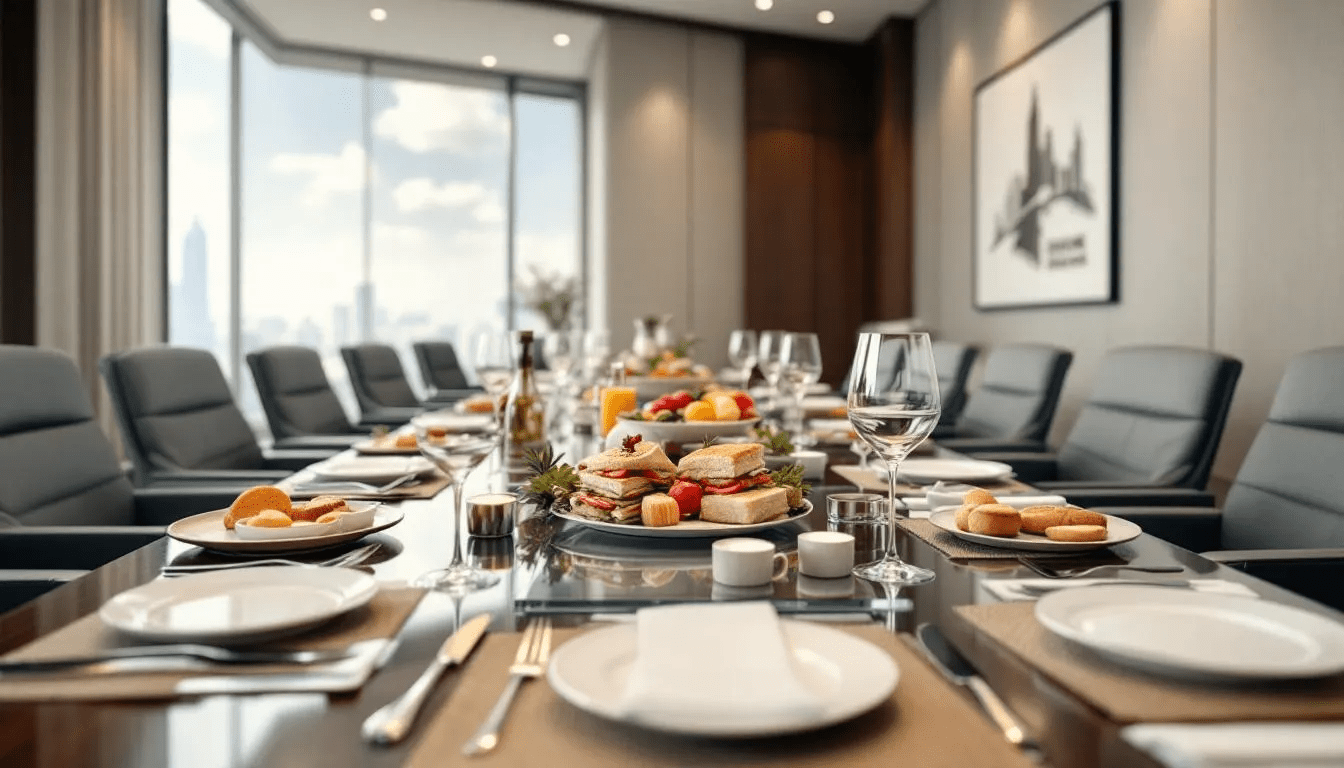
Corporate catering represents a significant investment in professional relationships and employee satisfaction. Understanding pricing structures and cost factors enables effective budget planning while ensuring appropriate quality levels for your organization’s needs. Choosing a catering service that offers good value for money ensures cost-effectiveness without compromising on the quality or quantity of food provided.
Per-Person Pricing Structure
Corporate catering typically operates on per-person pricing that scales with service complexity and ingredient quality. Understanding these pricing tiers helps select appropriate options within budget constraints while meeting quality expectations.
Pricing ranges include:
- Per-person pricing starting from £8.50 for basic breakfast packages to £35 for premium dinner service
- Service style variations that significantly impact per-person costs and overall value
- Ingredient quality tiers that allow budget flexibility while maintaining appropriate standards
- Group size considerations that may trigger volume discounts or minimum charges
- Additional service charges for setup, breakdown, or specialized dietary accommodations
Per-person pricing provides predictable budgeting for regular corporate events while allowing scaling for different group sizes. Understanding these structures helps optimize value while meeting quality requirements.
Volume Discounts and Regular Client Benefits
Ongoing corporate catering relationships often qualify for preferred pricing and enhanced service options. These benefits reward consistent business while providing cost advantages for regular corporate users.
Volume benefits include:
- Volume discounts available for regular corporate clients with monthly catering commitments
- Preferred pricing tiers that reward consistent business and planning predictability
- Enhanced service options including priority scheduling and menu customization
- Account management services that streamline ordering and coordination processes
- Flexible payment terms that accommodate corporate purchasing and approval processes
Regular catering relationships often provide the best value proposition through cumulative benefits and service enhancements. These partnerships typically improve over time as caterers understand company preferences and requirements.
Payment Terms and Corporate Accounts
Corporate purchasing often requires specialized payment terms and billing arrangements that accommodate business procurement processes. Professional caterers offer flexible options that integrate with corporate financial systems.
Payment options include:
- Invoice account options for companies with minimum £500 monthly catering spending
- Corporate billing systems that integrate with existing procurement and approval processes
- Flexible payment terms that accommodate corporate cash flow and approval cycles
- Consolidated billing for multiple events and locations within single corporate accounts
- Detailed invoicing that provides necessary documentation for expense tracking and tax purposes
Corporate account arrangements often provide administrative efficiency while enabling better budget tracking and financial management. These systems become particularly valuable for organizations with regular catering needs.
Transparent Pricing and Hidden Costs
Professional catering services maintain transparent pricing structures that prevent unexpected charges and enable accurate budget planning. Understanding total costs helps avoid surprises and ensures appropriate budget allocation.
Transparent pricing includes:
- Transparent pricing with no hidden delivery charges for orders over £75 minimum
- Clear itemization of all charges including food, service, delivery, and any additional fees
- Advance notice of any potential additional charges for special requirements or changes
- Detailed cost breakdowns that enable budget analysis and value comparison
- Communication protocols that confirm total costs before final order confirmation
Hidden costs can significantly impact catering budgets and create unexpected financial pressure. Professional caterers maintain transparent pricing that enables accurate planning and budget management.
Seasonal Pricing and Menu Adjustments
Ingredient availability and market conditions influence catering costs throughout the year. Understanding seasonal variations helps plan events during optimal pricing periods while anticipating potential cost fluctuations.
Seasonal considerations include:
- Seasonal menu adjustments reflecting ingredient availability and market pricing changes
- Premium periods during high-demand seasons or holidays that may affect pricing
- Cost advantages during optimal ingredient seasons that provide value opportunities
- Menu flexibility that adapts to seasonal availability while maintaining quality standards
- Advance planning benefits that secure preferred pricing and menu options
Seasonal planning often provides cost advantages while ensuring optimal ingredient quality and menu variety. Professional caterers communicate seasonal considerations to help optimize both cost and quality.
Event Support and Customer Service
Exceptional corporate catering extends beyond food quality to encompass comprehensive support services that ensure successful events and positive guest experiences. Our customer service team is always helpful, offering advice and flexible solutions to support your needs. Professional service standards distinguish premium caterers from basic food providers. We look forward to serving you at your next event.
Dedicated Account Management
Regular corporate clients benefit from dedicated account management that provides personalized service and streamlined coordination. These relationships develop over time to better serve company culture and preferences.
Account management includes:
- Dedicated account managers for corporate clients planning multiple events annually
- Personalized service that understands company culture, preferences, and standard requirements
- Streamlined ordering processes that reduce administrative burden and planning time
- Proactive communication about new menu options, seasonal changes, and service enhancements
- Coordination support for complex events requiring multiple services or venue logistics
Dedicated account management often provides the highest value for corporations with regular catering needs. These relationships improve efficiency while ensuring consistent quality and service standards.
Technology Integration and Communication
Modern corporate catering leverages technology to enhance communication, provide transparency, and improve overall service experience. Digital tools support both planning efficiency and service quality.
Technology features include:
- Live order tracking and real-time delivery updates via mobile app notifications
- Digital communication systems that provide status updates and delivery confirmations
- Online ordering platforms that streamline menu selection and specification processes
- Integration capabilities with corporate calendar and event management systems
- Digital invoicing and payment systems that integrate with corporate procurement processes
Technology integration reduces administrative burden while providing transparency and control throughout the catering process. These tools become particularly valuable for busy corporate schedules and complex logistics.
Comprehensive Customer Support
Professional catering services maintain robust customer support systems that address issues quickly and ensure service quality. Responsive support prevents small problems from becoming significant disruptions.
Customer support includes:
- 24/7 customer support hotline for urgent changes or delivery coordination issues
- Responsive communication systems that address concerns quickly and effectively
- Problem resolution protocols that minimize disruption to corporate events
- Escalation procedures that ensure appropriate management attention for significant issues
- Documentation systems that track service quality and identify improvement opportunities
Comprehensive support systems provide confidence in service reliability while ensuring quick resolution of any issues that arise. This support becomes particularly important for high-stakes corporate events.
Quality Assurance and Feedback Systems
Continuous improvement requires systematic feedback collection and quality monitoring. Professional caterers actively seek input to enhance service quality and better meet client needs.
Quality assurance includes:
- Post-event feedback collection to continuously improve menu offerings and service quality
- Quality monitoring systems that ensure consistent food preparation and service standards
- Regular menu evaluation and enhancement based on client feedback and industry trends
- Service standard audits that maintain high performance across all aspects of catering delivery
- Client satisfaction surveys that identify opportunities for service enhancement
Feedback systems demonstrate commitment to continuous improvement while ensuring service quality meets evolving corporate needs. These processes help build long-term relationships based on consistently excellent service.
Emergency Planning and Contingency Management
Professional catering services maintain emergency protocols that address potential disruptions and ensure service continuity. Contingency planning prevents external factors from compromising event success.
Emergency planning includes:
- Emergency backup plans for weather delays or venue access complications
- Alternative delivery routes and timing options that accommodate unexpected circumstances
- Substitute menu options when ingredient availability or preparation issues arise
- Communication protocols that keep clients informed about any changes or delays
- Service recovery procedures that address issues professionally and maintain client satisfaction
Comprehensive contingency planning demonstrates professional preparedness while ensuring corporate events proceed successfully despite potential challenges. This preparation provides confidence in service reliability for important business occasions.
The corporate event menu represents far more than simple sustenance—it reflects your organization’s values, attention to detail, and respect for guests. From intimate boardroom breakfasts to large conference dinners, the right catering choices enhance professional relationships while supporting business objectives.
Successful corporate catering requires careful consideration of menu types, dietary requirements, quality standards, and service logistics. By understanding pricing structures, planning appropriate lead times, and establishing relationships with professional caterers, you can ensure consistently excellent results that enhance your company’s reputation and support business success.
The investment in quality corporate catering pays dividends through improved client relationships, enhanced employee satisfaction, and successful business events that achieve their intended objectives. Whether you’re planning your next team meeting or major corporate celebration, thoughtful menu planning sets the foundation for memorable occasions that advance your business goals.
Start planning your next corporate event with confidence, knowing that the right catering partner and menu selection will contribute significantly to your event’s success and your organization’s professional image.
